Coloring Archetypes: Vampire, Werewolf, Surfer, Angel, and Golden-Retriever Looks
There are two ways to think about coloring. One is the technical version — undertones, contrast levels, the carotenoid-versus-melanin stuff — which is covered in the coloring and contrast guide. The other is the version people actually use in their heads: what kind of look is this? A pale, dark-haired, sharp-featured person doesn't read as "cool undertone, high contrast" — they read as a vampire. That instinct is useful, and this guide is built around it.
The archetypes below aren't science, and they aren't a ranking. They're a shorthand for the same variables color analysts have used for decades — warm versus cool, light versus deep, high versus low contrast, sharp versus soft — bundled into looks that are easy to picture. (If you've heard of "seasonal color analysis," popularized by Carole Jackson's Color Me Beautiful, this is a looser, more vibe-driven cousin of it.) The point isn't to become the "best" archetype. It's to notice which one your coloring already leans toward and stop fighting it — because coloring works best when the pieces agree with each other rather than pulling in different directions.
Most people aren't a pure type. You'll probably recognize yourself in one strongly and borrow from a neighbor. That's normal and fine.
Vampire
Cool, pale, and high-contrast — the most dramatic of the bunch. The vampire look lives on the collision between very light skin and very dark features: black or cool-dark-brown hair, strong dark brows, and skin kept deliberately fair. Eyes can go two ways, both striking: icy and light (grey, cold blue, pale green) for maximum contrast, or dark and intense for a more severe read. What defines it is coolness and edge — nothing warm, nothing soft. The features tend to be sharp, and the whole thing reads as elegant and a little severe rather than approachable.
The mistake people with this coloring make is tanning. A tan muddies the porcelain contrast that makes the look work; here, paleness is the asset, not the flaw.
Lean into: cool, deep colors — black, charcoal, deep crimson and burgundy, emerald, sapphire, cool grey, icy white. Silver over gold. Keep hair cool-toned and dark.
Werewolf
The warm, rugged counterpart to the vampire — same intensity, opposite temperature. Where the vampire is cool and stark, the werewolf is warm and earthy: golden-to-olive skin that takes a tan, warm brown or chestnut hair (often with a bit of red or warmth in it), and warm eyes — amber, hazel, warm brown, warm green. The contrast is medium rather than stark; the features harmonize into a cohesive warm whole instead of popping against each other. This is the archetype most improved by facial hair, which adds exactly the texture and warmth the look is built on — see the beard grooming guide.
If you're warm-toned, a bit rugged, and everything about your coloring feels like it belongs to the same earthy family, this is probably you. Don't try to force high contrast or cool colors onto it — they'll fight the warmth.
Lean into: earth tones — olive, forest green, rust, camel, warm brown, cream, khaki, denim, warm burgundy. Gold or bronze accessories. A light warm tan supports it.
Surfer
Sun-kissed, bright, and low-contrast — the beach look. The surfer is all warmth and glow: golden, tanned skin paired with lighter hair (dirty blonde, sun-bleached brown, warm light brown) and light warm eyes (blue, green, light hazel) that pop against the tan. The defining feature is low contrast — hair, skin, and eyes all sit in a bright, warm, sunlit range, so nothing is stark; the appeal is health and glow, not drama. Brows are often lighter or sun-lightened too, keeping the framing soft.
This is the one archetype where a tan genuinely belongs to the look rather than fighting it — but "belongs to the look" isn't a free pass to bake in UV. A careful, gradual tan or a good self-tanner gets you there without the skin-aging and cancer risk of chasing it in the sun; the coloring guide covers why the dietary "golden" glow is worth stacking on top.
Lean into: warm brights and naturals — white, cream, turquoise, warm blue, coral, sand, light warm neutrals. Casual, light fabrics. Let the tan and light eyes do the work.
Angel and Dark Angel
Ethereal and soft — this is the archetype defined by delicacy and luminosity rather than temperature or contrast. The Angel is the light version: fair, luminous skin, light hair (platinum, ash blonde, light brown), clear light eyes, and low, tonal contrast. Everything is soft and glowing, and skin quality carries more weight here than in any other archetype — clarity and evenness are the whole effect, so the skincare fundamentals matter more than any color choice.
The Dark Angel keeps that soft, romantic, ethereal quality but swaps in dark hair against pale skin. On paper that's the same pale-plus-dark recipe as the vampire — the difference is entirely in the features and the vibe. The vampire is sharp, severe, predatory; the dark angel is soft, doll-like, romantic. Same contrast, opposite energy. If your coloring is pale-and-dark but your features are gentle and rounded rather than angular, you're a dark angel, not a vampire, and heavy severe styling will read wrong on you.
Lean into: soft, cool, light colors — white, ice blue, soft grey, blush, lavender, silver, pale pastels. The Dark Angel can add black and deep cool tones but should keep some softness rather than going full gothic. Avoid heavy tanning; luminous fairness is the point.
Golden Retriever Boy / Prince
Warm, healthy, and approachable — the friendly one. This archetype is built on warmth and wholesomeness: a warm, healthy, lightly golden complexion, warm hair (golden blonde, honey, warm light-to-medium brown), and warm friendly eyes (warm brown, hazel, soft blue, warm green). Contrast is medium-low and everything harmonizes; the read is warmth and health, not intensity. The golden retriever version is casual and easygoing; the Prince is the same warm palette dialed up to refined — cleaner grooming, slightly sharper definition, more polished styling, more "regal" without losing the warmth.
The carotenoid "golden" glow from the coloring guide is tailor-made for this look — a warm, healthy complexion from eating well (and, if anything, a light warm tan) rather than a stark tan or deliberate paleness.
Lean into: warm, clean, soft-bright colors — cream, warm white, camel, sage, soft warm blue, warm pastels, light knits. Gold accessories. Groom well but keep it warm and unfussy (or, for the Prince, sharper and more tailored).
How to figure out which one you are
Work through four questions. None is a perfect test, but together they point somewhere.
Are you warm or cool? Rough checks: does your skin look better next to gold (warm) or silver (cool)? Do warm earthy colors flatter you, or do cool jewel tones? Warm undertone points toward werewolf, surfer, or golden-retriever/prince; cool points toward vampire or angel/dark angel. (These tests are imperfect — neutral undertones exist and lighting throws them off — so weigh the overall impression, not one veins-and-jewelry check.)
How much natural contrast do you have? Look at a plain photo of yourself, ideally desaturated. Do your hair, brows, and eyes stand out sharply against your skin (high contrast → vampire, dark angel) or blend into a similar range (low contrast → surfer, angel, golden retriever)? Medium contrast lands you around werewolf.
Are you light or deep overall? Light-and-soft coloring leans angel or surfer; deep, saturated coloring leans vampire or werewolf.
What's the vibe of your features? Sharp and angular supports the intense archetypes (vampire); soft and rounded supports the gentle ones (angel, golden retriever); rugged supports the werewolf. This is why two people with identical pale-and-dark coloring can be a vampire and a dark angel respectively — the features decide.
Add it up and you'll usually find one clear lean with a secondary influence. That blend is your answer — you don't need to force yourself into a single box.
How to lean into it
Once you know your direction, a handful of levers push you further. Work with your natural base, not against it — you can shift hair and clothing freely, but you can't turn a cool undertone warm, and trying usually backfires.
- Hair color is the biggest lever, since hair occupies so much of the frame. Cooler, darker hair deepens the vampire/dark-angel look; warmer, lighter hair pushes toward surfer or golden retriever. Keep shifts within a range that still suits your skin.
- Tan or no tan is a genuine fork. For surfer and (lightly) werewolf and golden-retriever, warmth supports the look — done safely, via gradual sun or self-tanner. For vampire and angel, tanning actively works against you; protect the paleness.
- Clothing colors are the cheapest, most reversible lever — use each archetype's palette above. Wearing your archetype's colors reinforces the whole impression at zero commitment.
- Brows set the contrast around the eyes. Darker, defined brows intensify high-contrast looks; softer, lighter brows suit the gentle ones. Keep them connected to your hair so they read as intentional — shaping details are in the lashes and brows guide.
- Eyes get their punch from contrast, not just iris color. Light eyes pop hardest against dark hair and brows (vampire, dark angel); against a warm tan they read bright and clear (surfer). See improving your eye area.
- Metals and details — silver and cool tones for the cool archetypes, gold and warm tones for the warm ones — are small touches that quietly reinforce temperature.
- Facial hair is a werewolf multiplier specifically; it also warms and ruggedizes an otherwise soft warm look if you want to shift a golden retriever toward something earthier.
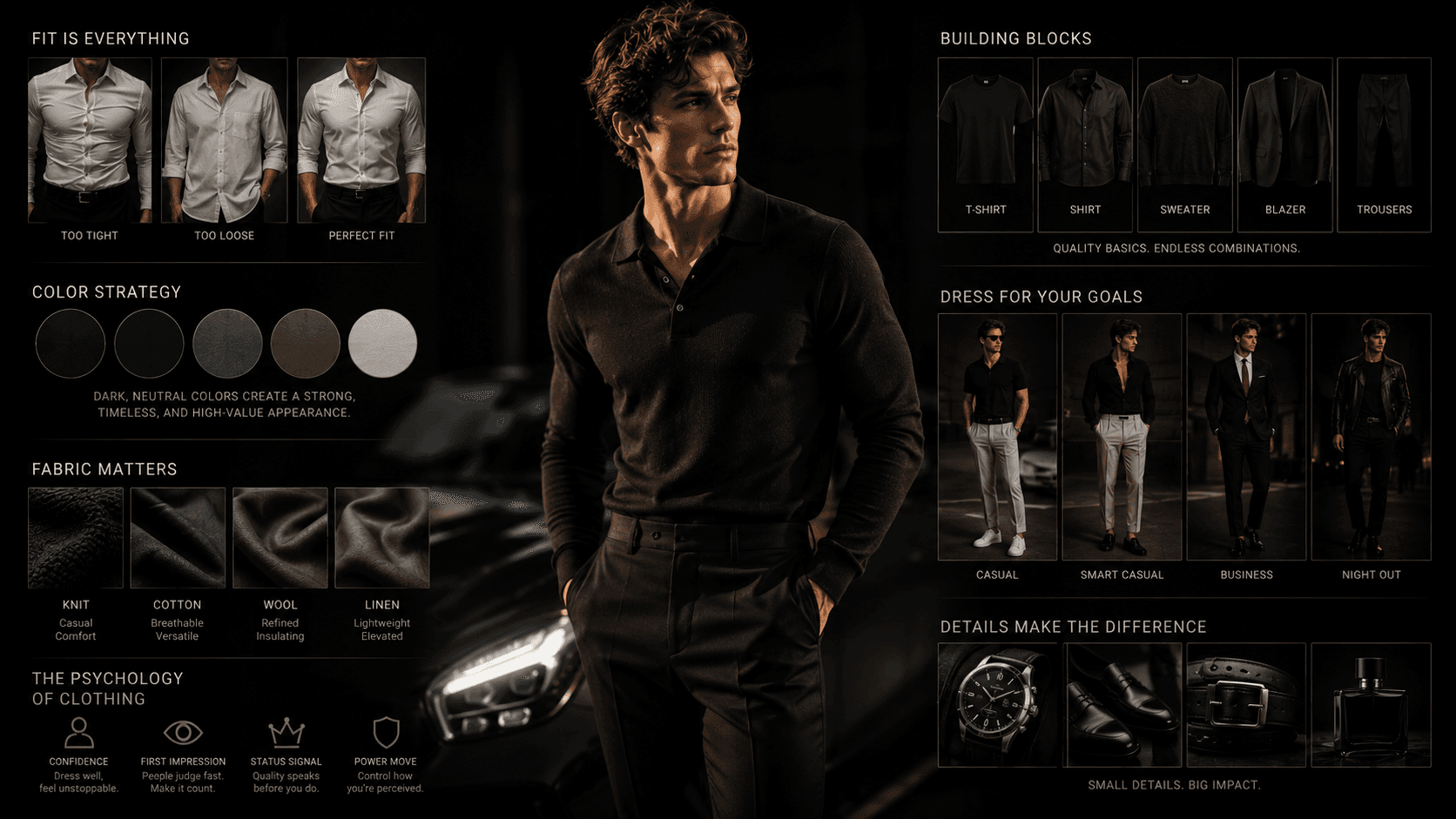
For pulling the whole outfit-and-grooming picture together beyond color, the style and visual optimization guide is the companion piece.
A few honest caveats
These archetypes are a styling tool, not a personality test or a hierarchy — no look is objectively best, and "which is most attractive" is the wrong question. Attractiveness in coloring comes from coherence: features and colors that agree with each other, which is a real, if modest, perceptual effect (again, see the coloring guide). A vampire done well beats a badly-executed golden retriever and vice versa.
You're also allowed to change direction. Coloring archetypes aren't fixed — dye your hair, adjust your tan, shift your wardrobe, and you can deliberately move from one to another. The framework isn't there to tell you who you're allowed to be; it's there to make the choice conscious instead of accidental.
The bottom line
Instead of chasing a single "ideal" coloring, figure out which recognizable look your natural coloring already leans toward — cool and sharp (vampire), warm and rugged (werewolf), bright and sun-washed (surfer), soft and ethereal (angel or dark angel), or warm and wholesome (golden retriever / prince) — and use hair, tan, brows, and clothing to push that direction rather than dilute it. Most people are a blend, the categories are a lens rather than a law, and the real goal underneath all of them is the same: coloring where every piece belongs to the same story.
Related reading
- Facial coloring and contrast — the skin-tone science underneath the archetypes
- Style and visual optimization — clothing and overall presentation
- Lashes and brows — framing the eyes and setting contrast
- Facial hair and beard grooming — the werewolf multiplier
- Skincare fundamentals — the clarity the angel look depends on