Lashes and Brows: What Grows Them, What Frames the Face, and What's Just Marketing
Brows and lashes are small features that punch well above their size. They frame the eyes — the part of the face people look at first — and shape how the whole upper face reads. This guide covers the two things the general eye area guide doesn't: what actually grows sparse brows and lashes (the evidence, including one real prescription option), and the procedures — tints, lamination, extensions, microblading — with their honest trade-offs. For everyday shaping and grooming technique, that eye-area guide is the place to start.
Note: The eye area is delicate, and anything applied near the eye — serums, medications, glues, semi-permanent treatments — carries real risk. When in doubt, use a licensed professional and, for medications, talk to a doctor.
Brows matter more than you'd think
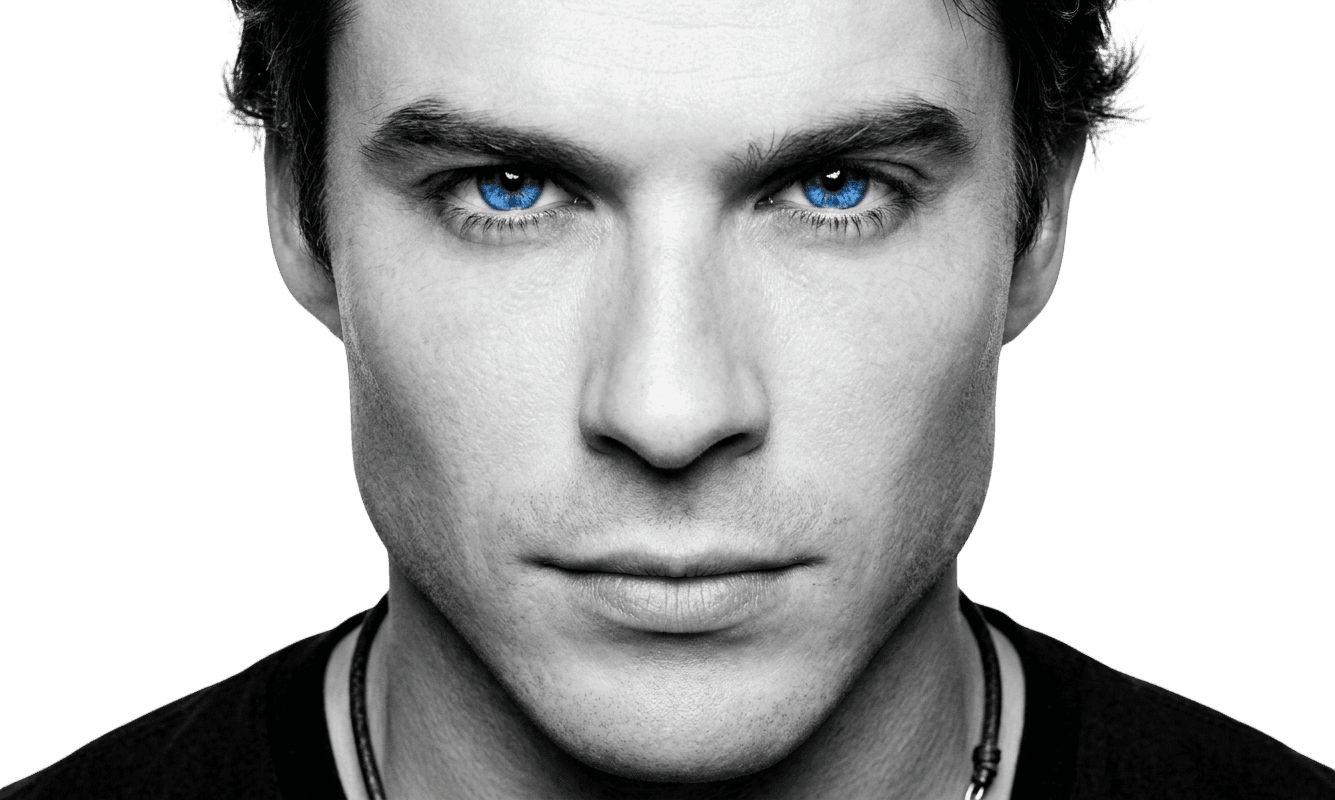
It's worth knowing how much weight brows carry, because it changes how seriously to take them. In a well-known experiment, researchers digitally removed either the eyes or the eyebrows from photos of familiar faces and asked people to identify them. Removing the eyebrows caused a large, significant drop in recognition — the study concluded that for identifying faces, eyebrows may be at least as influential as the eyes.1 Brows also carry a lot of expression. All of which means well-kept brows are one of the highest-return, lowest-cost things you can do for your face — and one of the easiest to get wrong.
The single most important rule: don't over-pluck
The most common brow mistake is taking too much off. Beyond the immediate look, repeated plucking and waxing over years can damage the follicles so that hair grows back sparse, patchy, or not at all — a big reason thin brows are so common in people who over-tweezed in their teens and twenties. Work with your natural shape, remove only clear strays, and when in doubt take less: you can always remove more later, but you can't reliably get it back. The eye-area guide covers shaping technique in detail.
Growing sparse brows and lashes: what the evidence says
Bimatoprost — the one with strong evidence (for lashes). Bimatoprost (brand name Latisse) is a prescription solution FDA-approved for inadequate eyelashes, and it works: in trials, applying it to the upper lash line produced statistically significant improvements in lash length, fullness, and darkness by around 16 weeks.2 Two honest caveats. First, the effect reverses — stop using it and lashes drift back to baseline over weeks, so it's an ongoing commitment. Second, it has real eye-area side effects: darkening of the eyelid or surrounding skin (often reversible after stopping), eye redness and irritation, and — labeled as a risk, mainly seen when related drugs are dropped into the eye for glaucoma — an increase in brown iris pigmentation that can be permanent. Some prostaglandin drugs in this family can also cause a hollowing of the eyelid over time. It's a medication: use it exactly as directed and talk to a doctor first, especially given the eye area.
"Lash and brow growth serums" — read the label. Many cosmetic growth serums contain prostaglandin-analog ingredients chemically related to bimatoprost, but are sold as cosmetics with far less oversight. That means they can carry the same possible side effects — irritation, skin darkening, and the pigmentation concerns — without the same testing or labeling. Don't assume "cosmetic" means risk-free; treat these with the same caution as the drug, patch-test, and ideally ask a professional.
Everything else. Minoxidil and rosemary oil have some support for thickening sparse brows, and castor oil is popular but essentially unproven for growth (it mostly conditions the hair) — all three are covered, with their evidence, in the eye-area guide. And whatever you try, be patient: brows and lashes grow on a slow cycle, so give any approach a few months before judging it.
Framing without growing: the lower-risk options
If growth isn't the goal, several treatments improve how brows and lashes read without waiting for new hair:
- Tinting. Darkening brows or lashes with a semi-permanent dye adds contrast and definition — useful if your hairs are pale and "disappear." It's low-commitment (fades over weeks) but uses a chemical dye near the eye, so a patch test and a competent technician matter.
- Brow lamination. A chemical treatment that resets the brow hairs to lie upward and outward, making brows look fuller and more groomed for several weeks. It's essentially a relaxer for brow hair — effective, but it can irritate or over-process, so it's not risk-free.
- Henna brows stain the skin as well as the hair for a slightly longer-lasting, filled-in look.
- Makeup — a brow pencil, powder, or gel, and mascara or a lash curler for lashes — remains the fastest, most reversible way to shape and define, and the curler in particular opens up the eye with zero commitment.
Lashes: lifts, extensions, and the traction trade-off
For lashes specifically, beyond bimatoprost and a curler:
- Lash lifts are a semi-permanent "perm" that curls your own lashes upward for several weeks — a chemical treatment, so the same patch-test and competent-technician cautions apply.
- Extensions and strip lashes add dramatic length and volume, but there's a real trade-off: the weight of extensions and the repeated gluing and removal can cause traction damage and lash loss over time. If you use them, give your natural lashes regular breaks rather than wearing them continuously.
Microblading and cosmetic tattoo: effective but not casual
For genuinely sparse brows, microblading and other cosmetic tattooing can rebuild shape and density, with results that last roughly one to three years. But it is a tattoo: the outcome depends heavily on the artist's skill, the color can fade to unpredictable tones, it's difficult and costly to undo, and — as with any tattoo — there's an infection and reaction risk. It can be excellent in experienced hands, but it belongs in the "considered decision with a licensed, well-reviewed professional" category, not the "try it on a whim" one.
The bottom line
The highest-return, lowest-risk move with brows and lashes is almost always to groom what you have well and stop over-plucking — brows carry more weight than their size suggests, and most of the win is in shape and contrast, not new hair. If you do want more, the only growth option with strong trial evidence is bimatoprost, and it's a medication with genuine eye-area side effects and an ongoing commitment. The procedures run from low-stakes and reversible (tint, a lash curler) to semi-permanent (lamination, lifts, extensions) to near-permanent (microblading) — so match how much you commit to how sure you are, and keep anything near the eye in careful, ideally professional, hands.
References
Footnotes
-
Sadr J, Jarudi I, Sinha P. The role of eyebrows in face recognition. Perception (2003);32(3):285–293. https://pubmed.ncbi.nlm.nih.gov/12729380/ — removing eyebrows from familiar faces caused a large, significant drop in recognition. ↩
-
LATISSE (bimatoprost ophthalmic solution) 0.03% — FDA prescribing information. https://www.accessdata.fda.gov/drugsatfda_docs/label/2021/022369s014lbl.pdf — significant improvements in eyelash length, fullness, and darkness by week 16; effect returns toward baseline after stopping; side effects include periorbital/eyelid skin darkening, ocular irritation, and possible increased brown iris pigmentation. ↩