Style & Visual Optimization: Fit, Color, and Presentation That Actually Work
Clothing is the one appearance variable you fully control, every single day, with no genetics involved. A fit man in poorly fitted, badly matched clothes looks worse than an average man in clothes that fit and coordinate. This guide is the practical version: how to get fit right, build a small wardrobe that always works, use color for your coloring, and apply the honest kind of "visual optimization" — the same styling and lighting choices professionals use — without pretending clothes change your body.
A note on framing. Most of this is practical, experience-based guidance and aesthetic convention, not laboratory science, and it's presented as such. Where something is a genuine claim about perception, it's flagged.
Contents
- The hierarchy: what matters most
- Fit: the foundation
- Building a core wardrobe
- Color and contrast for your coloring
- Materials and quality
- Honest visual optimization (styling, height, photos)
- Common mistakes
The hierarchy: what matters most
Spend your attention in this order. Getting the top of the list right with cheap clothes beats getting the bottom right with expensive ones.
- Fit — how the clothes sit on your body.
- Color coordination — do the pieces work together and with your coloring.
- Material and construction — fabric quality and how it drapes.
- Style/trend — the actual design. Matters least; a well-fitted, well-matched basic always works.
Clothing is also one of the fastest social signals people read — tailored, well-kept attire tends to raise perceptions of competence and status, which is part of why "dress well" is repeated advice (see the status guide for the presence side of this). But that only works if the fundamentals below are handled.
Fit: the foundation
Fit is the difference between clothes looking intentional and looking borrowed. The core rules:
Shoulders. The shoulder seam of a shirt or jacket should sit at the edge of your shoulder — not halfway down your arm, not pulling. This is the hardest thing to alter, so buy for the shoulders and tailor the rest.
Torso. Fitted, not tight and not tent-like. A shirt should follow your torso with a slight taper toward the waist. Baggy fabric adds visible weight; over-tight fabric pulls and reads as trying too hard. If you've built a V-taper, a shirt that skims the torso shows it — a boxy shirt erases it.
Sleeves and length. Short sleeves should end mid-bicep, not bunch at the armpit or hang past the elbow. Long sleeves end at the wrist bone. Shirt hems should hit around mid-fly to mid-hip — long enough to tuck, short enough to wear out cleanly.
Trousers. Aim for little to no break or a slight break at the shoe. Puddling fabric at the ankle shortens the leg line; a clean taper lengthens it.
The cheapest upgrade in menswear is a tailor. Taking in a shirt or hemming trousers costs little and does more than a brand upgrade. Buy for the widest part (shoulders, chest, hips) and tailor the rest down.
Building a core wardrobe
You need surprisingly little. A small set of well-fitting, neutral, coordinating pieces produces more good outfits than a closet full of mismatched ones, because everything works with everything.
A solid starting core (roughly $400–600 if you shop carefully; scale to budget):
- 2–3 well-fitting plain t-shirts (white, grey, navy, black)
- 2 neutral sweaters or overshirts (grey, navy, olive, or black)
- 1 casual jacket (bomber, denim, or a structured overshirt)
- Dark, straight-or-tapered jeans (not distressed, not skinny)
- Neutral chinos
- 1 button-up (white or light blue)
- Clean minimal sneakers (white or grey leather)
- One pair of leather shoes (brown is more versatile than black for casual wear)
The logic: neutrals coordinate with each other by default, so a compact neutral wardrobe multiplies into many outfits. Add color and personality after the neutral base is solid, one accent at a time.
Quality over quantity. One $60 shirt that fits and lasts beats three $20 shirts that don't. Buy fewer, better, and replace worn-out staples rather than accumulating.
Color and contrast for your coloring
"Coloring" is the combination of your skin tone, hair color, and eye color. You can't change it (short of hair dye and contacts), but you can dress with it.
Contrast level. Look at the difference between your hair and skin:
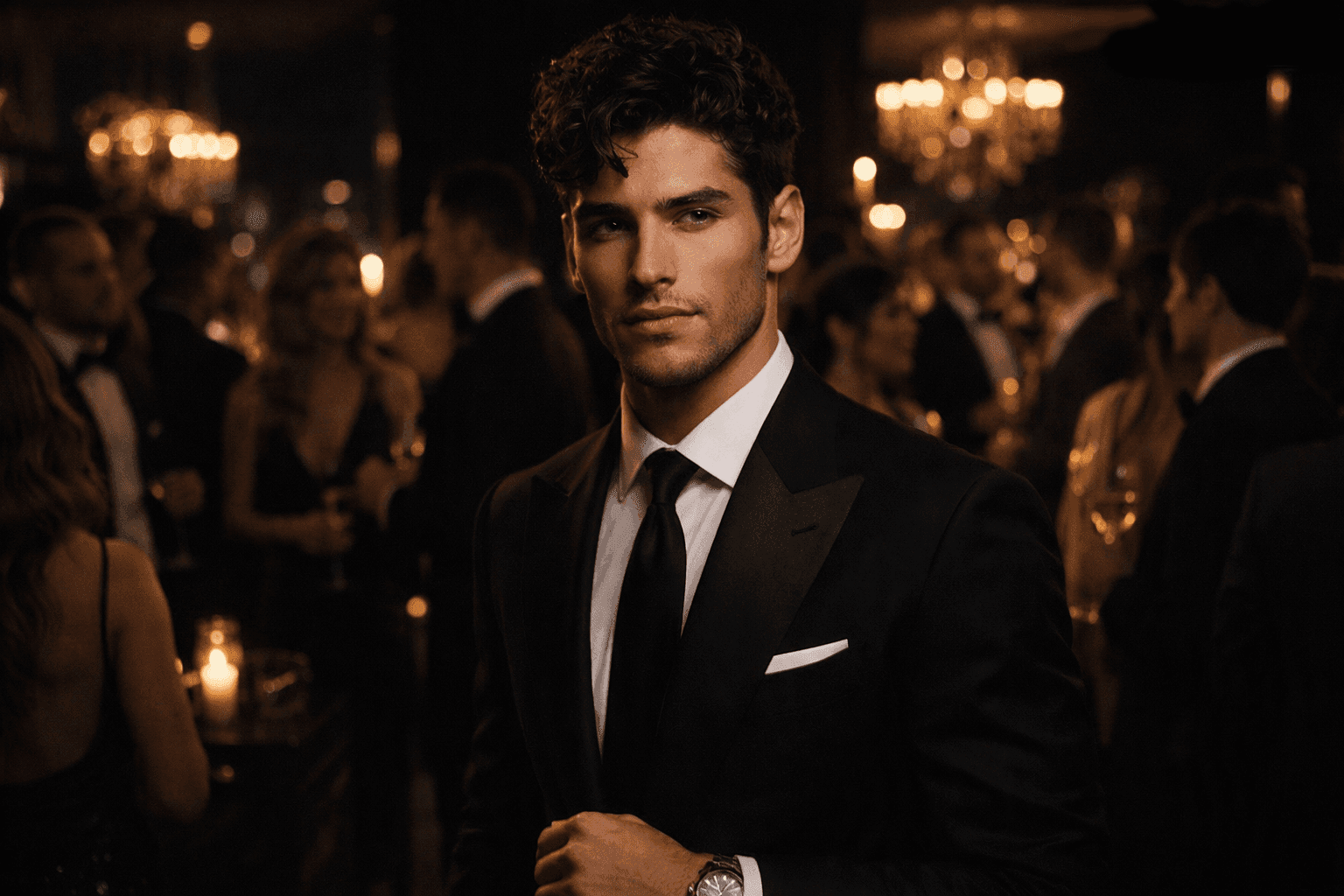
- High contrast (e.g., dark hair, light skin): high-contrast outfits (white shirt, dark jacket) tend to suit you and look sharp.
- Low contrast (e.g., light hair, light skin, or dark hair on deeper skin): softer, tonal combinations often look more natural than stark black-and-white.
- Matching your outfit's contrast to your face's contrast is a simple, reliable heuristic.
Undertones. Skin undertones run warm (golden/olive), cool (pink/bluish), or neutral. As a rough guide, warm undertones are flattered by earthy tones (olive, tan, cream, warm browns); cool undertones by jewel and cool tones (navy, grey, cool blues, true white). This is a starting point, not a law — test in a mirror in daylight.
Neutrals are the safe base for everyone: white, grey, navy, charcoal, black, tan, olive. Build outfits on neutrals and add one accent color at a time. Avoid wearing more than about three colors in a single outfit, and avoid loud clashing patterns until the basics are second nature.
On dyeing hair: it can help when it increases favorable contrast or covers patchy greying cleanly, and it hurts when the color is unnatural, high-maintenance at the roots, or damages the hair. If in doubt, small and natural beats dramatic.
Materials and quality
Fabric determines how clothes drape, wear, and read up close:
- Reliable, budget-friendly: cotton (t-shirts, oxford shirts), wool and wool blends (sweaters, trousers), denim, leather (shoes, jackets).
- Be cautious with: very thin, shiny, or cheap synthetics that pill, cling, or wrinkle instantly; anything that looks plasticky in natural light.
You don't need luxury fabrics. You need pieces that hold their shape, don't pill after two washes, and drape cleanly. Feel the fabric, check the seams, and buy accordingly.
Honest visual optimization (styling, height, photos)
Styling, lighting, and grooming choices shape how you present — this is exactly how modeling, photography, and professional headshots work, and using them is fine. The honest framing matters, though: these tools optimize how you present the body and face you have. They don't change your body, and leaning on them to misrepresent yourself (badly out-of-date or heavily manipulated photos) backfires the moment you're seen in person.
Legitimate, useful levers:
- Haircut chosen for your face shape and hair type. The right cut changes apparent face proportions more than most grooming changes. Get it cut regularly — a grown-out cut looks unkempt within weeks.
- Grooming. Clean, maintained facial hair and eyebrows frame the face; upkeep is the whole game (a neglected beard or brows undo it).
- Height presentation. Good posture adds visible height instantly and for free. Footwear with a modest heel or a supportive insole can add a bit more; this is normal and unremarkable. Just keep it comfortable and proportionate.
- Photo basics. Soft, even, front-or-side lighting; a camera at or slightly above eye level; a genuine relaxed expression; a distance that avoids wide-lens face distortion (don't shoot portraits from a few inches away). These are the same principles behind flattering professional portraits.
The line to hold: present yourself well, honestly. Optimize the photo and the outfit; don't fake the person.
Common mistakes
- Buying for size labels instead of fit. The label lies; the mirror doesn't. Try things on, and tailor.
- Chasing trends before mastering basics. A perfectly fitted plain outfit beats an on-trend one that fits badly.
- Too many colors or patterns at once. Neutral base, one accent.
- Ignoring shoes and grooming. They're disproportionately noticed and quietly sink otherwise good outfits.
- Relying on heavily edited or old photos. Present accurately; the in-person reveal is unforgiving.
- Confusing "expensive" with "good." Fit and coordination beat price at every budget.
Get fit, color, and grooming right on a small neutral wardrobe, present yourself honestly in good light, and you'll look put-together with very little money and no genetics involved.