Fashion is not about trends. It is a perceptual amplifier. Clothing, accessories, and scent alter how others infer your health, status, competence, and intent within seconds.
Stylemaxxing is the practice of selecting garments and adjuncts that optimize silhouette, contrast, and signaling, given your body, face, environment, and culture. This applies to both men and women.
The goal is not expression for its own sake, but controlled impression formation.
Core Principles of Stylemaxxing
-
Silhouette first Clothing that improves apparent proportions outperforms any brand or trend.
- Shoulder emphasis increases dominance signaling
- Waist definition improves sexual dimorphism
- Vertical continuity increases perceived height
-
Contrast management
- High contrast draws attention
- Low contrast reads refined and controlled
- Use contrast intentionally, not everywhere
-
Fit overrides aesthetics
- Too tight reads insecure
- Too loose erases structure
- Clean drape signals health and self-control
-
Context alignment
- Style must match environment, culture, and occasion
- Misalignment reduces credibility regardless of attractiveness
Main Style Archetypes
These archetypes apply across genders. Differences emerge in cut and styling, not in principle.
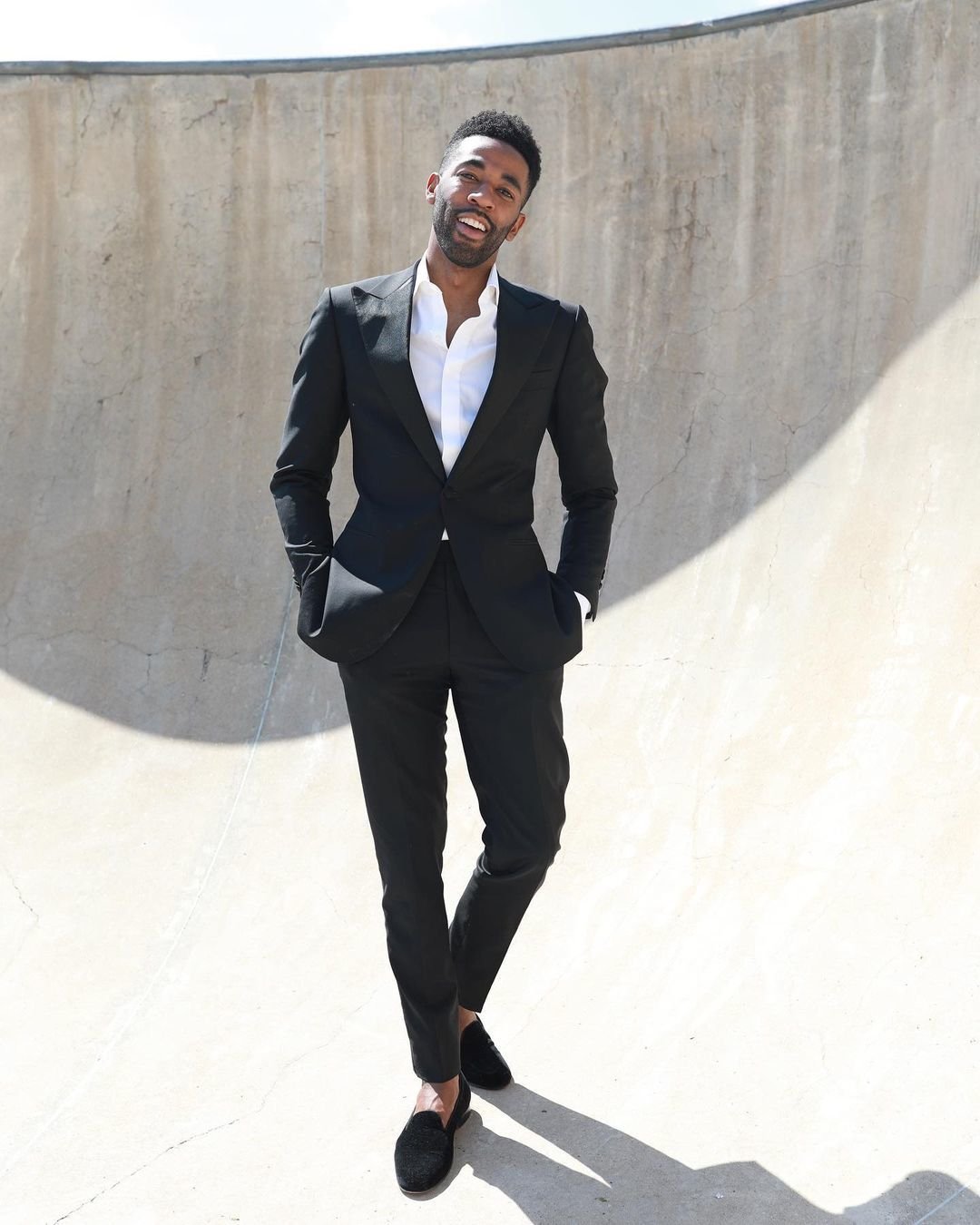
1. Elegant / Classic
- Traits: Structured silhouettes, neutral or deep palettes, minimal branding
- Common items: Blazers, tailored trousers, structured skirts, oxford or silk shirts, leather shoes
- Vibe: Composed, high-status, reliable
- Best for: Professional settings, dates, formal social environments
This archetype maximizes status signaling and competence perception. Works especially well for mature faces or authority-driven roles.
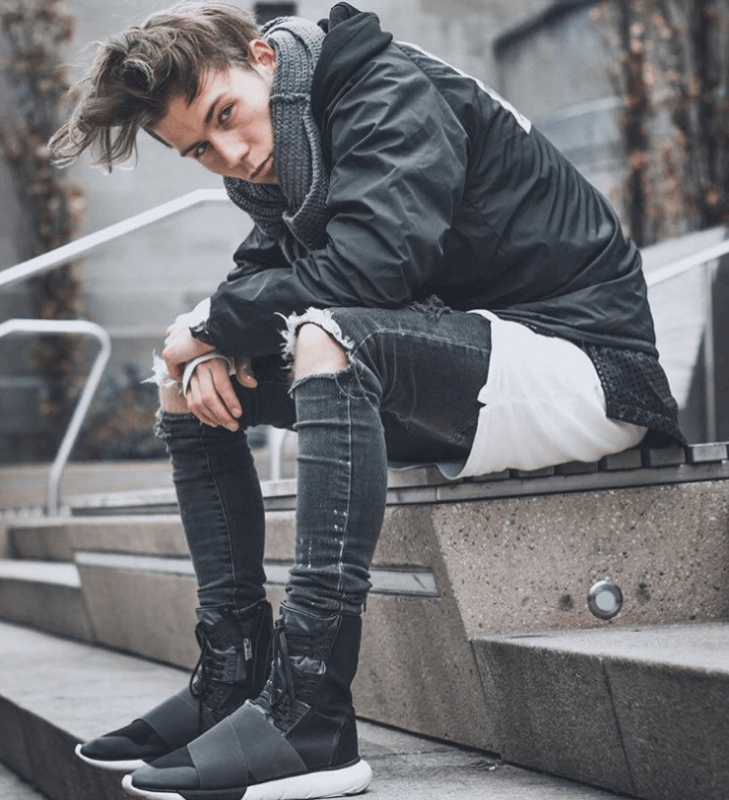
2. Streetwear / Urban
- Traits: Relaxed fits, layering, visible branding, texture variation
- Common items: Cargo pants, oversized hoodies, bomber jackets, statement sneakers, caps
- Vibe: Youthful, socially connected, expressive
- Best for: Casual hangouts, nightlife, campuses, creative scenes
Streetwear relies on cultural relevance. Poor execution reads sloppy; good execution reads socially fluent.
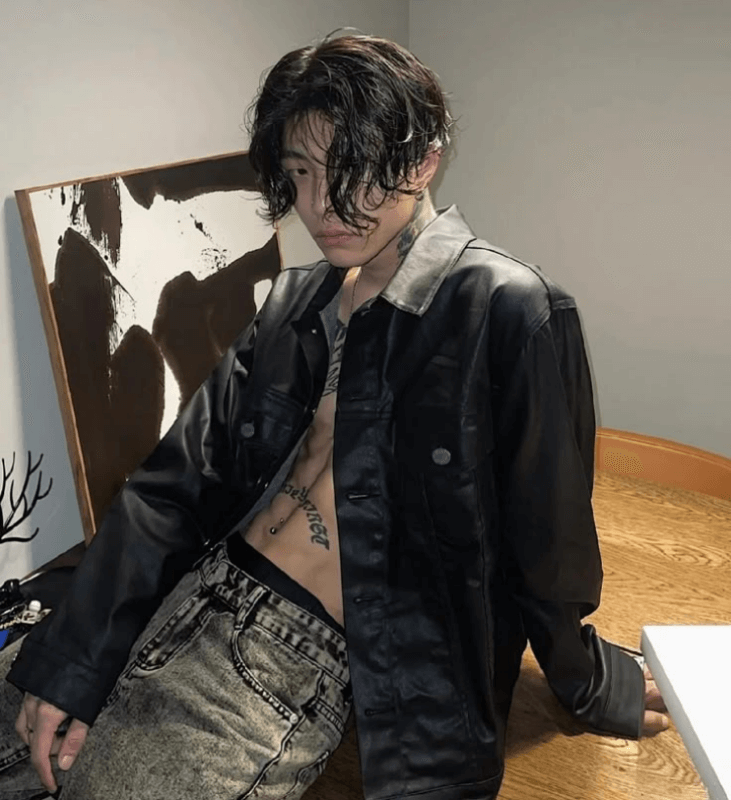
3. Rockstar / Grunge
- Traits: Slim silhouettes, leather, dark palettes, distressed fabrics
- Common items: Skinny jeans, boots, band tees, rings, leather jackets
- Vibe: Rebellious, intense, non-conforming
- Best for: Concerts, bars, nightlife, photography
This archetype increases edge and sexual polarity but reduces approachability. Best used situationally.
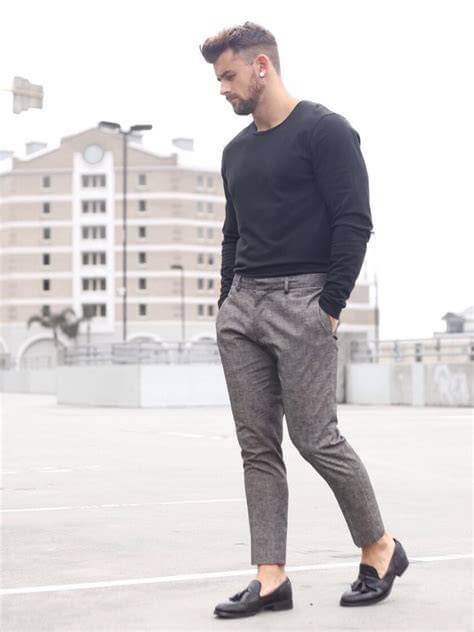
4. Minimalist / Modern
- Traits: Clean lines, muted colors, low visual noise
- Common items: Monochrome outfits, high-quality basics, techwear-adjacent pieces
- Vibe: Efficient, contemporary, controlled
- Best for: Daily wear, travel, urban environments
Minimalism amplifies facial features and posture. Poor grooming is more visible here.
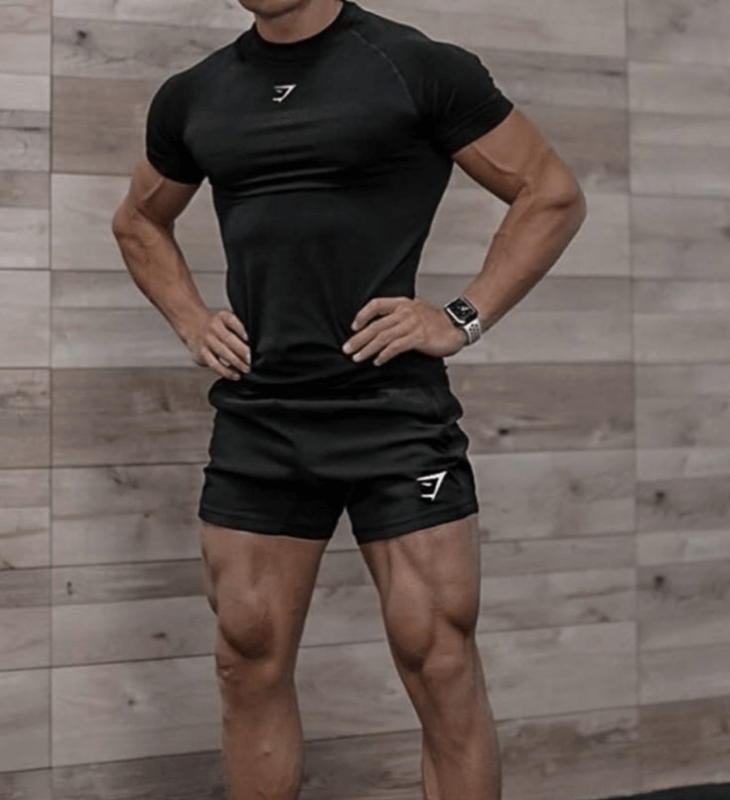
5. Sporty / Athleisure
- Traits: Performance fabrics, ergonomic cuts
- Common items: Track pants, fitted tops, sneakers, compression layers
- Vibe: Healthy, active, energetic
- Best for: Errands, training-adjacent contexts, casual movement
This archetype leverages health signaling. It fails when overused in formal environments.
Regional Style Considerations
Stylemaxxing must respect geographic signaling norms.
North America
- Emphasis on casual versatility
- Athleisure and denim dominate
- Overdressing is penalized more than underdressing
Western Europe
- Cleaner silhouettes, refined palettes
- Higher tolerance for tailoring
- Subtlety signals competence
East Asia (Japan, Korea)
- Strong streetwear influence
- Layering and intentional oversizing
- Grooming and coordination are mandatory
Latin America
- Higher emphasis on fitted silhouettes
- Bolder colors and accessories
- Appearance strongly tied to social perception
Ignoring regional norms reduces perceived intelligence and social calibration.
Accessories as Multipliers
Accessories function as signal amplifiers, not decorations.
- Watches: Competence and reliability cues
- Jewelry: Identity and edge, best kept minimal
- Bags: Status and organization signaling
- Glasses: Intelligence framing when well-fitted
One strong accessory outperforms multiple weak ones.
Scent as Invisible Style
Fragrance is a non-visual extension of style.
- Fresh, clean notes pair with minimalist and classic archetypes
- Warm, woody, or spicy notes pair with rockstar or night-oriented styles
- Over-application reduces attractiveness regardless of scent quality
Scent should be noticeable only within close proximity.
How to Find Your Style
- Use Pinterest or Instagram as a database, not inspiration
- Save consistently repeating silhouettes, not one-off outfits
- Separate looks by context: work, casual, dates, training
- Identify dominant colors and proportions
- Rebuild your wardrobe intentionally
Final Guidelines
- Fit > brand
- Silhouette > trend
- Grooming multiplies all styles
- Shoes anchor perception
- One archetype executed well beats five executed poorly
Style does not replace physical optimization, but it determines how that optimization is perceived.
Consistency and restraint outperform experimentation.