Holistic Skincare: The Complete Guide
Healthy skin is more than just appearance, it’s a reflection of balance, protection, and overall well-being. This guide covers personalized routines, advanced treatments, common skin conditions, and product recommendations.
⚠️ Important Reminder: Before starting strong treatments (tretinoin, Accutane, prescription creams), always consult a dermatologist. Everyone’s skin is unique, and professional guidance is essential.
🧭 Step 1: Know Your Skin Type
Understanding your skin type is the foundation of an effective routine:
- Normal: Balanced, minimal imperfections, not too oily or dry.
- Oily: Shiny, enlarged pores, prone to blackheads and acne.
- Dry: Tight, rough, may flake or itch.
- Combination: Oily T-zone (forehead, nose, chin) but dry or normal cheeks.
- Sensitive: Easily irritated, redness, stinging with products.
🧻 Tissue Test: Determine Your Skin Type
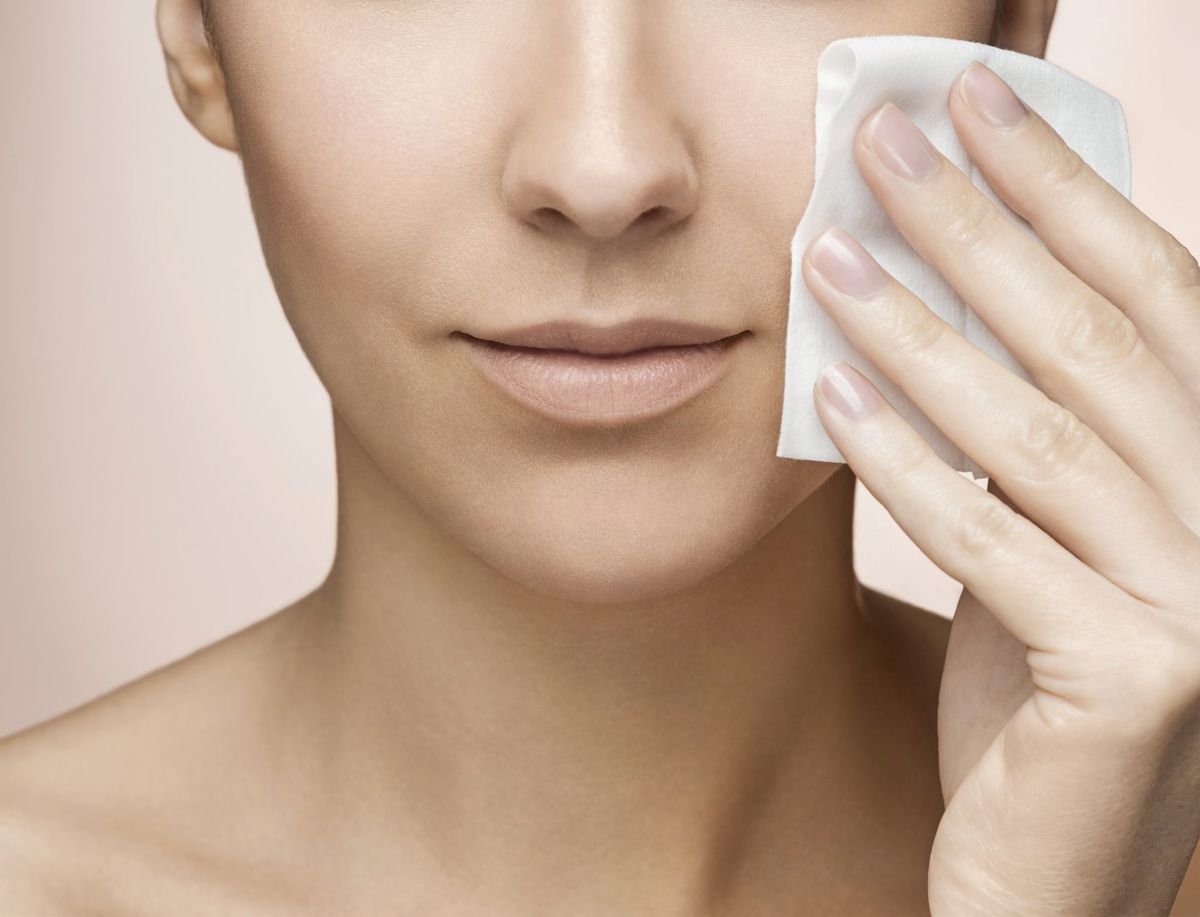
- Wash your face with your usual cleanser and wait 30 minutes without applying any products.
- Take a clean tissue and gently press it on the forehead, nose, cheeks, and chin.
- Observe the oil left on the tissue:
- No oil: Dry or normal skin
- Oil in T-zone: Combination skin
- Oil all over: Oily skin
✅ Tip: Knowing your skin type helps you choose the right cleansers, moisturizers, and treatments.
🧼 Step 2: Cleansing
Cleansing removes oil, dirt, and pollutants without stripping your skin.
- Oily skin: Foaming or gel cleansers with salicylic acid, benzoyl peroxide, or charcoal.
- Dry skin: Cream or oil-based cleansers with ceramides, squalane, or hyaluronic acid.
- Sensitive skin: Fragrance-free, hypoallergenic, gentle formulas.
- Combination skin: Gel cleansers with mild surfactants.
✅ Tip: Avoid harsh bar soaps, they disrupt skin pH.
Recommended Products:
- Oily: La Roche-Posay Effaclar Gel Cleanser, CeraVe Foaming Cleanser
- Dry: Vanicream Gentle Facial Cleanser, Neutrogena Hydro Boost Cleanser
- Sensitive: Avene Extremely Gentle Cleanser, Cetaphil Gentle Skin Cleanser
🧴 Step 3: Moisturizing
Hydration is key for all skin types, even oily skin.
- Oily: Lightweight, oil-free gel moisturizers; look for niacinamide or hyaluronic acid.
- Dry: Rich creams or balms with ceramides, shea butter, or glycerin.
- Sensitive: Soothing ingredients like aloe vera, panthenol, oat extract.
- Combination: Apply lighter formulas on oily areas, heavier creams on dry zones.
Recommended Products:
- Oily: Neutrogena Hydro Boost Gel-Cream, La Roche-Posay Effaclar Mat
- Dry: CeraVe Moisturizing Cream, Eucerin Advanced Repair Cream
- Sensitive: Aveeno Calm + Restore, La Roche-Posay Toleriane Double Repair
🌞 Step 4: Sun Protection (Sunscreen)
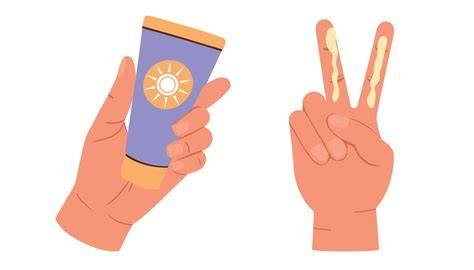
Sunscreen is the single most important skincare product.
- Use SPF 30 or higher daily.
- Reapply every 2–3 hours outdoors.
- Mineral sunscreens (zinc oxide, titanium dioxide) are ideal for sensitive or acne-prone skin.
- Matte, oil-free formulas for oily skin; hydrating formulas for dry skin.
✅ Sun exposure causes premature aging, pigmentation, and skin cancer.
Recommended Products:
- Oily: La Roche-Posay Anthelios Clear Skin SPF 60
- Dry: CeraVe Hydrating Mineral Sunscreen SPF 30
- Sensitive: EltaMD UV Physical Broad-Spectrum SPF 41
🧽 Step 5: Exfoliation
Exfoliation improves texture, unclogs pores, and promotes cell turnover.
- Chemical exfoliants (preferred): AHAs (glycolic, lactic), BHAs (salicylic acid)
- Physical scrubs: Use sparingly, avoid for sensitive skin
Frequency:
- Oily: 2x per week (BHA works well)
- Dry/Sensitive: 1x per week with gentle acids
- Combination/Normal: 1–2x per week depending on tolerance
Recommended Products:
- BHA: Paula’s Choice 2% BHA Liquid Exfoliant
- AHA: The Ordinary Lactic Acid 5% + HA
- Gentle: Drunk Elephant T.L.C. Sukari Babyfacial (use cautiously)
🔬 Advanced Treatments (Dermatologist-Supervised)
✨ Retinoids (Retinol, Tretinoin)
- Retinol: OTC, gradual improvement, helps wrinkles, acne, pigmentation.
- Tretinoin (Retin-A): Prescription, powerful, treats acne and photoaging. ⚠️ Introduce slowly to avoid dryness, redness, or irritation.
💊 Isotretinoin (Accutane)
- Oral treatment for severe acne.
- Reduces oil production and prevents scarring.
- Requires strict medical supervision for side effects (dry skin, liver function, teratogenic risk).
🧪 Other Dermatological Treatments
- Chemical peels: Improve texture, pigmentation, acne scars
- Microneedling: Stimulates collagen, improves fine lines and scarring
- Laser therapy: Treats rosacea, pigmentation, and vascular lesions
🧘♀️ Final Thoughts
Skincare isn’t about perfection, it’s about consistency, protection, and listening to your skin.
- Start with the essentials: Cleanser, moisturizer, sunscreen.
- Introduce exfoliation gradually if tolerated.
- Advanced treatments (retinoids, Accutane) only under medical guidance.
- Consult a dermatologist for rosacea, eczema, severe acne, or pigmentation concerns.
💡 Your skin is unique. Respect its needs, protect it daily, and seek professional advice when needed.