🧬 How Testosterone Is Produced
this article is for informational purposes only and does not constitute medical advice. Consult a healthcare professional before making changes to your health or lifestyle.
Testosterone is the primary male hormone, responsible for developing most male characteristics. Here's how it's naturally produced in the body:
- The hypothalamus releases pulses of GnRH (gonadotropin-releasing hormone).
- GnRH stimulates the pituitary gland to secrete FSH (follicle-stimulating hormone) and LH (luteinizing hormone).
- These hormones travel through the bloodstream to the testes.
- LH activates Leydig cells in the testes to produce testosterone from cholesterol, while FSH supports sperm production.
What Happens to Testosterone in the Body
Once produced, testosterone can:
- Circulate freely as bioavailable testosterone
- Bind to albumin or SHBG (sex hormone-binding globulin), which reduces its activity
- Convert into:
- Estrogen, via the enzyme aromatase
- DHT (dihydrotestosterone), a more potent form via 5-alpha reductase
This hormonal system is influenced by nutrition, training, lifestyle, and supplementation, all of which we’ll cover in this guide.
Sleep (And Sleep A Lot)
Sleep is one of the most powerful tools to increase testosterone.
One study showed that 5 hours of sleep per night for a week reduced testosterone by 15% in healthy men.
Source
Another study of 531 Chinese men found that each additional hour of sleep increased total and free testosterone by around 15%.
Stay Lean & Build Muscle
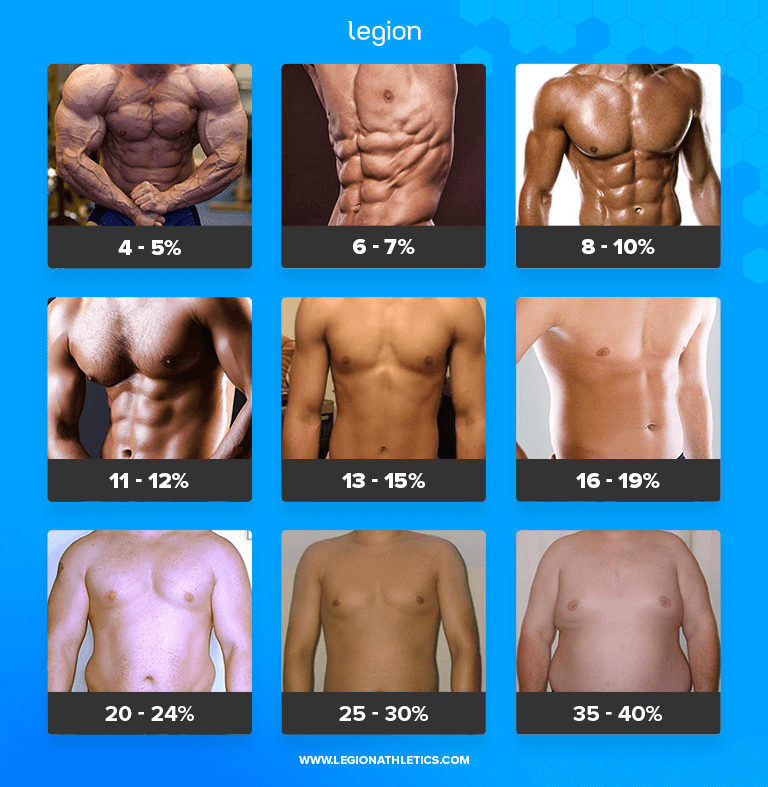
An ideal body fat percentage (8–14%) is associated with higher testosterone levels.
Excess body fat increases aromatase, an enzyme that converts testosterone into estrogen.
Caution: Body fat below 8% may reduce testosterone unless supported by performance-enhancing drugs. Extremely low fat can suppress thyroid and androgen activity.
More muscle = more testosterone. Stay defined, not skinny.
Stress Less
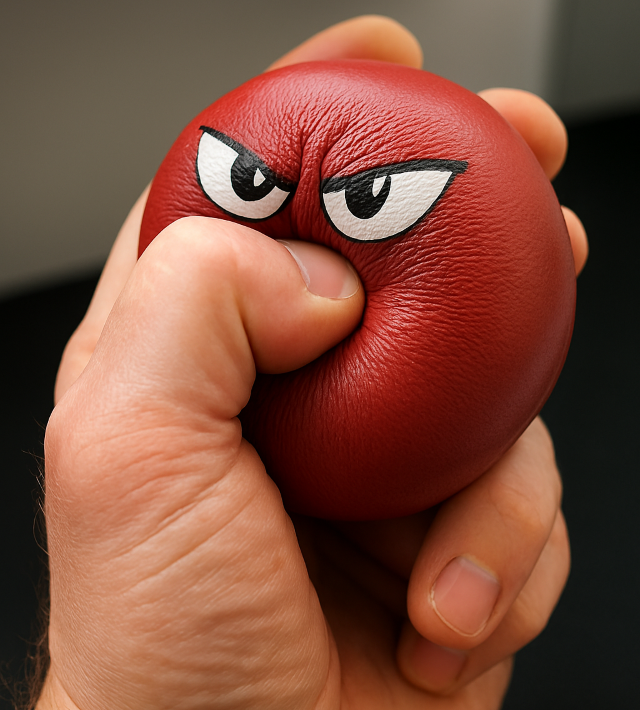
Chronic stress raises cortisol, which directly suppresses testosterone.
Cortisol is catabolic, it breaks down muscle and lowers androgen activity.
Key points:
- Cortisol is useful in small doses (e.g. for alertness or trauma response).
- Chronically elevated levels increase fat storage and reduce testosterone.
- Linked to insulin resistance, metabolic syndrome, and oxidative stress.
Body Language & Posture
Your posture directly affects your hormonal state.
A Harvard study by Cuddy et al. showed that adopting powerful (alpha) postures can:
- Increase testosterone
- Decrease cortisol
Examples of alpha postures:
- Standing tall
- Taking up more space
- Hands on hips or chest out
Weak or submissive postures (e.g. hunched shoulders) do the opposite.

Money, Success & Competition
Success activates your hormonal dominance system.
A study on young brokers found that those who made above-average profits experienced a 78% testosterone increase during a winning streak.
Winning, in money, sports, exams, boosts testosterone and creates a “winner effect”.
Even posture changes for just two minutes improved testosterone by 20% and decreased cortisol by 25%.
Testicular Health
Common issue: Varicocele
15–20% of men have partially blocked veins in the testicles, reducing blood flow and hormone transport.
- Leydig cells need proper circulation to produce testosterone
- Treatment (natural or surgical) has shown to restore testosterone production
Tips for testicular health:
- Sleep naked
- Wear loose underwear
- Take cold showers
- Avoid prolonged heat exposure
95% of testosterone is produced inside the Leydig cells of the testes.

Protein, Necessary, But in Moderation
Protein is essential for testosterone and muscle growth, but too much can have the opposite effect.
A study by Anderson et al. showed that men on a high-protein, low-carb diet had 36% lower free testosterone than those on a high-carb, low-protein diet.
Study
Excess protein also raises cortisol and SHBG, both of which reduce testosterone availability.
✅ Recommendation:
Keep protein to 15–25% of total calories. Focus on quality sources: eggs, beef, gelatin, dairy, etc.
Coffee (Used Smartly)
Coffee stimulates cortisol and adrenaline, use it wisely.
A study showed that pre-workout coffee boosts fat loss and raises testosterone in athletes.
Study
Don’t overdo it, but timing matters. Use caffeine before workouts only.
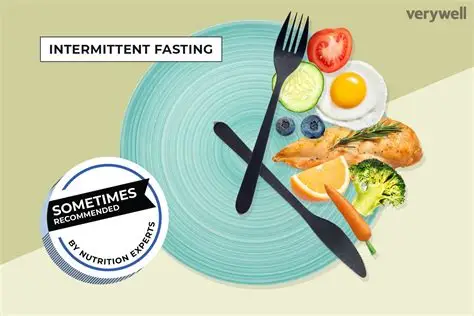
Intermittent Fasting (IF)
IF increases androgen receptor sensitivity and promotes hormonal efficiency.
- You don’t need to eat 6 times a day
- Short fasts don’t reduce muscle
- After fasting, your body responds more powerfully to food and training
Fats and testosterone-supportive foods break the fast best.
Note: Extended fasts should be supervised professionally.
Strength Training = Testosterone Boost
Strength training increases:
- Testosterone
- Growth hormone
- DHEA
- DHT
Guidelines:
- Lift heavy (but safe)
- Explosive movements
- Train 3–5 times/week
- Activate large muscle groups
- Keep sessions short but intense
- REST between sessions
Overtraining reduces testosterone. Intensity is more important than duration.

Add HIIT (High-Intensity Interval Training)
HIIT increases:
- Testosterone
- Growth hormone
- Androgen receptor sensitivity
Structure:
- Sprint for 15–30 seconds
- Rest 60–90 seconds
- Repeat for 6–10 rounds
Add HIIT 1–2x per week alongside strength training for maximum hormonal benefit.
Train Smart, Avoid Overtraining
Training every day may feel productive, but it kills hormonal progress.
- Prioritize recovery
- Train intensely, then rest
- Progressive overload is key (more weight/intensity each session)
If you’re always tired, sore, and not improving, your testosterone is likely being suppressed.
Reverse Pyramid Training (RPT)
Great for strength, hypertrophy, and hormonal adaptation.
How it works:
- Warm up well
- First set: heaviest weight, 5–8 reps
- Rest 3–5 minutes
- Drop weight 10%, do more reps
- Repeat for 2–3 sets
This triggers major testosterone responses with minimal CNS fatigue.
Calisthenics
Calisthenics activates large muscle groups explosively, ideal for testosterone and androgen receptor sensitivity.
Include:
- Pull-ups
- Push-ups
- Dips
- Muscle-ups
- Explosive squats
You can combine calisthenics with gym training or use it standalone.
Probiotics
Probiotics help eliminate endocrine disruptors and optimize digestion and nutrient absorption.
Benefits:
- Remove BPA via excretion
- Improve hormonal detox
- Support testosterone indirectly
Best strains: Lactobacillus, Bifidobacterium
Micronutrients Matter
Most men with low testosterone are micronutrient-deficient.
You need:
- Zinc
- Magnesium
- Vitamin D
- Vitamin B complex
Even with a good diet, it’s hard to get enough daily.
A quality multivitamin is one of the best T-boosting supplements available. That takes us to the next point: Diet
Diet & Nutrition for Testosterone
Garlic
Garlic has long been used for its health-promoting properties, and now we know it may also support testosterone.
A study from Kobe Women's University in Japan found that diallyl disulfide, a compound in garlic, stimulates the release of luteinizing hormone (LH), which signals the testes to produce more testosterone.
Additional benefits:
- Improves blood circulation
- Acts as a natural antibiotic
- Contains antioxidants
- Regulates cholesterol and blood pressure
- Boosts male sexual performance
Avocados & Walnuts
🥑 Avocado
Avocados are rich in monounsaturated fats, essential for testosterone production.
A study in the Journal of Steroid Biochemistry showed that low intake of monounsaturated and polyunsaturated fats led to a significant drop in testosterone levels.
“Avocado has the same healthy fats as olive oil,” says nutritionist Pérez. “They support testosterone naturally.”
🥜 Walnuts
Walnuts are full of unsaturated fats and selenium, a mineral crucial for testosterone production.
Other selenium-rich foods include:
- Brazil nuts
- Pine nuts
- Mushrooms
- Whole grains
- Oats
- Cucumber
Eating nuts regularly has been shown to boost both testosterone and libido.
Broccoli
Broccoli is a powerhouse for hormonal balance and lean muscle gain.
Key nutrients:
- Vitamin E – Linked to testosterone and libido
- Selenium – Enhances sperm quality
- Zinc – Critical for reproductive function
It also helps reduce estrogen, making testosterone more effective.
Rich in fiber and antioxidants, low in carbs and calories, it's ideal for body recomposition.
Blueberries
Blueberries reduce cortisol, a stress hormone that suppresses testosterone.
They are:
- Rich in antioxidants
- Great for brain and urinary health
- Perfect as snacks or toppings
Calories Matter
Too few calories = low testosterone, even with good nutrition.
A 7-year study found that men consuming 1350–2400 kcal/day had 31% lower testosterone, despite exercising and eating clean.
But: Overweight individuals may need a deficit to lose fat first.
✅ Ideal range:
A mild deficit of 10–15% is OK, but long-term deficits will suppress testosterone.
Carbohydrates = Testosterone Fuel
Low-carb diets reduce testosterone and raise cortisol.
Andersson et al. found 36% more free testosterone in high-carb diets vs high-protein ones.
Study
Carbs also:
- Support sleep
- Refill glycogen for training
- Convert to glucose, fueling thyroid hormone (T3) production
✅ Best sources:
White rice, potatoes, ripe fruit, honey.
Avoid overloading on fiber or gluten (can raise prolactin).
Fats, Choose the Right Ones
Fats are crucial for testosterone synthesis.
The quality of fat matters more than quantity.
✅ Increase
- Saturated fats (e.g. butter, ghee, coconut oil)
- Monounsaturated fats (e.g. olive oil, avocado, macadamia nuts)
❌ Limit
- PUFAs (polyunsaturated fats), especially from seed oils
- Trans fats (industrial)
Fats influence cholesterol, the precursor to all steroid hormones.
Plant-Based Diets: Pros & Cons
Plant-based diets often lead to higher SHBG, reducing free testosterone.
They also lack:
- Cholesterol (key for steroid hormone synthesis)
- Amino acids found in animal proteins
- Saturated fats
However, vegans can still maintain good hormonal health if:
- Caloric intake is high enough
- Fats come from quality plant sources: coconut oil, olive oil, avocado, etc.
Organic vs. Conventional Food
Organic food helps avoid pesticide exposure, many pesticides are anti-androgens.
In one study, 30 of 37 commonly used pesticides disrupted male hormones.
Study
Farmers exposed to pesticides had:
- Lower sperm counts
- Lower testosterone levels
- Reduced DHT conversion due to enzyme disruption
Glyphosate and organophosphates have also been shown to reduce testosterone in lab studies.
The Milk Controversy
Milk can be nutrient-dense, but modern milk has issues:
- Cows are often pregnant year-round, increasing estrogen content in milk
- Japanese study showed cow's milk raised estrogen and progesterone, while suppressing testosterone and GnRH
Study
Cholesterol from food doesn't raise blood cholesterol long-term, but is essential for hormone synthesis.
✅ Alternatives:
Egg yolks, butter, cheese (raw if possible), yogurt.
Foods to ADD
Meats & Proteins
- Eggs
- Minced beef
- Oysters
- Animal fats
- Beef gelatin
Fruits & Veggies
- Blueberries
- Pomegranates
- Raisins
- Dark berries
- Potatoes
- Avocados
- Garlic
- Onions
- Parsley
Fats & Spices
- Macadamia nuts
- Brazil nuts
- Olive oil
- Coconut oil
- Ginger
- Himalayan salt
- Raw cacao
- Baking soda
- Blue cheese
The Soy Debate
Soy contains phytoestrogens (isoflavones), plant compounds that mimic estrogen.
Studies are mixed:
- Some show reduced testosterone
- Others show no effect
- It may also interfere with thyroid function, which indirectly lowers testosterone
Conclusion: Best to limit soy, especially processed soy (e.g. soy protein isolate).
Lower Excess Estrogen
Testosterone is often lost via aromatase, converting it to estrogen.
Natural aromatase inhibitors:
- Broccoli & cruciferous vegetables (contain indole-3-carbinol)
- Zinc
- Tongkat Ali
- Probiotics
Balancing estrogen is as important as raising testosterone.
Foods to LIMIT
Known testosterone-suppressors:
- Flaxseed products
- Licorice
- Soy
- Mint & spearmint
- PUFA-heavy oils (sunflower, canola, etc.)
- Alcohol (excessive)
- Trans fats
- Green tea (large amounts)
- Nuts high in PUFAs (e.g., walnuts, almonds in excess)

Avoid Endocrine Disruptors
Certain chemicals in personal care products, food containers, and packaging can mimic hormones and interfere with testosterone production.
Main offenders
- BPA (Bisphenol A) – Found in plastics, linked to low testosterone and erectile dysfunction
Study - Phthalates – Found in flexible plastics and personal care products
Study - Benzophenones – Used in sunscreens, interfere with enzymes for testosterone synthesis
Study BP-1 - Parabens – Preservatives with weak estrogenic activity
Study - Triclosan/Triclocarban – Antibacterial agents that may suppress testicular testosterone production
Study
How to Reduce Exposure:
- Drink filtered or distilled water
- Use glass or stainless steel bottles
- Choose natural personal care products
- Avoid microwaving food in plastic
- Eat less canned food
- Take a quality probiotic
Know the Side Effects of Medications
Many commonly prescribed drugs can reduce testosterone levels:
- Ketoconazole (antifungal)
Study - Finasteride & Dutasteride (for hair loss)
Study - Spironolactone (blood pressure)
Study - Sulfonylureas (type 2 diabetes)
Study - Cimetidine / Tagamet (acid reflux)
Study - Opiates / Painkillers
Study - Statins (cholesterol meds)
Study - SSRIs (antidepressants)
Study - Beta-blockers / Tranquilizers
Study