🧠 Increase Your HGH Naturally
"this article is for informational purposes only and does not constitute medical advice. Consult a healthcare professional before making changes to your health or lifestyle."
Human Growth Hormone (HGH), or somatotropin, is a peptide hormone produced by the pituitary gland. It plays a central role in:
- Muscle growth and repair
- Fat metabolism
- Recovery and healing
- Skin, hair, and nail health
- Bone density
- Energy and sleep
- Mental clarity and mood
🧬 HGH: Key Functions
-
Muscle Mass & Fat Loss
HGH increases protein synthesis and helps break down stored fat. -
Cell Regeneration
It stimulates tissue repair, crucial for skin, joints, and organs. -
Sleep & Recovery
It peaks during deep sleep, improving rest and energy levels. -
Cognitive Performance
Elevated HGH is linked to better memory, mood, and focus.
📉 Low HGH: Symptoms
Signs that your natural HGH levels may be too low include:
- Fat gain (especially abdominal)
- Loss of muscle tone
- Wrinkled skin and thinning hair
- Decreased libido and mood
- Low energy or motivation
- Poor sleep quality
- Increased recovery time
HGH declines significantly after age 30, but natural stimulation is possible through diet, training, and lifestyle.
📊 HGH vs. Other Hormones
HGH (Human Growth Hormone)
- Function: Growth, fat metabolism, recovery
- Peak Age: ~20–25
Testosterone
- Function: Libido, muscle development, aggression
- Peak Age: ~18–25
DHEA
- Function: Precursor to sex hormones
- Peak Age: ~20–30
Melatonin
- Function: Sleep regulation
- Peak Age: ~3–7
❗ HGH Abuse Warning
While synthetic HGH can be prescribed, abusing it without medical supervision can lead to:
- Joint pain
- Water retention
- Organ growth
- Insulin resistance
- Acromegaly (bone deformation)
This guide focuses only on NATURAL strategies to boost your own production safely and effectively.
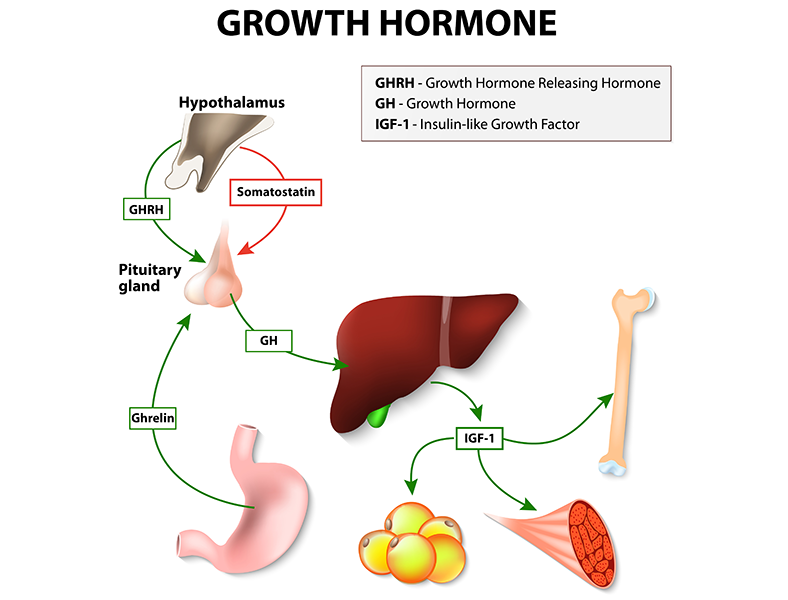
🧠 How HGH Is Released
HGH is released in pulses throughout the day, especially during:
- Deep sleep
- Fasting states
- High-intensity training
Its release is regulated by two hypothalamic hormones:
- GHRH (Growth Hormone–Releasing Hormone), stimulates production
- Somatostatin, inhibits it
Your goal: maximize GHRH and minimize somatostatin through strategic habits.
⚙️ 1. How to Stimulate HGH Naturally
These are the most powerful triggers of growth hormone:
- Deep sleep (especially stages 3 & 4)
- Fasting and low insulin
- High-intensity exercise (HIIT, resistance training)
- Low body fat percentage
- GABAergic and dopaminergic stimulation
- Cold exposure and sauna (contrast therapy)
- Certain amino acids (arginine, ornithine, glutamine)
🛑 2. What Inhibits HGH?
If you want to boost your HGH, avoid:
- Sugar, especially at night
- High insulin levels
- Excessive body fat
- Poor or irregular sleep
- Alcohol, especially before bed
- Overtraining and chronic stress
One sugary snack at night can suppress HGH release by 300–400%.
💤 3. Sleep = HGH Factory
HGH is primarily released during deep sleep (stages 3 and 4), especially in the first half of the night.
Improve sleep by:
- Sleeping before midnight
- Avoiding screens 1 hour before bed
- Keeping your room dark and cool
- Eating your last meal 3–4 hours before sleep
- Supplementing with magnesium, glycine, or GABA
A single night of poor sleep can cut HGH output in half.

🥐 4. Insulin & HGH: Opposites
HGH and insulin are antagonistic, when insulin is high, HGH is low.
Triggers for insulin spikes:
- Refined carbs and sugar
- Eating frequently
- Snacking late at night
Keep insulin low through:
- Fasting
- Low-glycemic carbs
- Limiting eating window
Fasting = HGH increase
Studies show that a 24-hour fast can increase HGH levels by 2000% in men. Study
🧂 5. Body Fat & HGH
High body fat, especially visceral fat, is directly linked to lower HGH.
Obese individuals have 3–4x lower baseline HGH secretion than lean people.
Why?
- Excess fat increases insulin and estrogen
- Inhibits pituitary function
- Reduces sensitivity to GHRH
Goal: Stay between 10–15% body fat for optimal hormonal balance.
🧪 6. Aging & HGH Decline
HGH production declines naturally with age, up to 50% less by age 40.
But the drop is not inevitable:
- Fit older adults maintain higher HGH than sedentary youth
- Key factors: training, sleep, diet, body composition
Age matters, but your habits matter more.
🧃 7. Intermittent Fasting = HGH Amplifier
Fasting is one of the most effective natural ways to spike growth hormone.
Benefits of intermittent fasting (IF):
- Lowers insulin (removes HGH suppression)
- Increases dopamine and adrenaline (both stimulate HGH)
- Promotes fat loss and preserves muscle
- Boosts autophagy and longevity
A 24-hour fast can increase HGH by up to 2000% in men (results may vary). Study
Recommended protocols:
- 16:8 fasting (eat within 8 hours)
- OMAD (one meal a day, occasionally)
- 24–48 hour fasts (1–2x per month)
🥩 8. Amino Acids That Boost HGH
Certain amino acids taken on an empty stomach can acutely raise HGH.
Best options:
- Arginine – Boosts HGH by suppressing somatostatin Study
- Ornithine – Enhances exercise-induced HGH Study
- Glutamine – May increase HGH by up to 400% Study
- Glycine – Improves sleep and raises HGH pulses
How to use:
- Take on an empty stomach
- Avoid combining with carbs or fats
- Best before training or bedtime
🧂 9. Foods That Support HGH Production
✅ Eat more of:
- High-protein sources: beef, eggs, collagen, fish
- Vitamin B-rich foods: liver, avocado, whole grains
- Zinc-rich foods: oysters, pumpkin seeds, red meat
- Magnesium-rich foods: cacao, almonds, spinach
- Dopamine boosters: bananas, dark chocolate, fermented foods
🚫 10. Foods to Avoid (HGH Killers)
❌ Reduce or eliminate:
- Sugar, especially late at night
- Refined carbs and ultra-processed foods
- Trans fats (margarine, fried foods)
- Alcohol, especially close to bedtime
- Frequent snacking, increases insulin, reduces HGH pulses
A single sugary meal before bed can shut down your HGH release for the night.
☕ 11. Coffee & Green Tea
Both increase adrenaline and dopamine, which can trigger short-term HGH spikes.
- Use before training
- Avoid after 5–6pm (can impair sleep)
- Green tea also boosts fat oxidation, indirectly supporting HGH levels
💧 12. Stay Hydrated
Dehydration can impair pituitary signaling and reduce HGH output.
Tips:
- Drink 2–3 liters per day
- Add electrolytes if fasting or training intensely
- Avoid excessive caffeine or alcohol
🏋️♂️ 13. Strength Training
Heavy resistance training stimulates large HGH pulses, especially when:
- Targeting large muscle groups
- Using compound lifts (squats, deadlifts, presses)
- Keeping rest periods short (30–90 sec)

Guidelines:
- Train 3–5 times/week
- Focus on intensity over volume
- Incorporate progressive overload
40–70% of your HGH release during the day can come from exercise.
🏃♂️ 14. High-Intensity Interval Training (HIIT)
HIIT is one of the most powerful ways to stimulate growth hormone naturally.
Sample HIIT protocol:
- Sprint 20–30 sec
- Rest 60–90 sec
- Repeat for 6–8 rounds
HIIT activates:
- HGH
- Testosterone
- Fat-burning enzymes
Just 10 minutes of HIIT can spike HGH 5–6x baseline.
🤸♀️ 15. Don’t Overtrain
While exercise increases HGH, too much can lead to:
- Cortisol elevation (HGH inhibitor)
- Insomnia
- Low energy and mood
Watch out for:
- Daily intense cardio
- Training while sleep-deprived
- No recovery days
Recovery = Hormonal growth.
😴 16. Sleep Optimization for HGH
HGH peaks during deep sleep, especially in the first 90 minutes of rest.
Sleep tips for optimal HGH release:
- Sleep before 11:00 PM
- Keep your room cool, dark, and silent
- Avoid blue light 1 hour before bed
- Don’t eat 3 hours before sleep
- Use magnesium, glycine, or GABA if needed
Even one late night can cut HGH in half.
❄️ 17. Cold Showers & Sauna (Contrast Therapy)
Cold exposure increases dopamine and norepinephrine, indirectly boosting HGH.
Sauna use can also trigger heat shock proteins, supporting recovery and hormonal resilience.
Protocol:
- Alternate 2–3 min hot / 1 min cold for 3–4 rounds
- Use post-workout or before sleep
Bonus: Contrast therapy enhances sleep quality, compounding HGH benefits.
🛏️ 18. Rest Days & Active Recovery
Your pituitary needs rest and rhythm to maintain optimal growth hormone pulses.
Recovery options:
- Gentle walks
- Stretching or yoga
- Light swimming
- Massage or foam rolling
- Meditation and breathwork
HGH thrives on intensity + rest, not daily exhaustion.
😎 19. Dopamine: The Master Switch
High dopamine levels support HGH and testosterone.
Dopamine stimulates GHRH and reduces somatostatin, directly enhancing growth hormone release.
Boost dopamine by:
- Winning (competition, games, achievements)
- Cold showers
- Social interaction and laughter
- Sex or physical affection
- Protein-rich meals (tyrosine)
- Natural light exposure
- Meditation and deep breathing
Dopamine = drive, focus, energy, and hormonal balance.
🧘 20. Stress Suppresses HGH
Chronic stress → High cortisol → Low HGH.
Stress reduces pituitary sensitivity to GHRH and can blunt HGH pulses even during sleep or training.
Reduce stress by:
- Daily relaxation (reading, nature, music)
- Deep breathing (box breathing, 4-7-8)
- Quality sleep
- Saying “no” more often
- Prioritizing recovery and boundaries
🍄 21. Natural HGH-Boosting Supplements
Several herbs and compounds can amplify natural HGH release.
🔹 GABA (Gamma-Aminobutyric Acid)
- Neurotransmitter that improves sleep and HGH pulses
- Increases HGH by up to 400% Study
🔹 Mucuna Pruriens
- Increases dopamine via L-DOPA content
- Supports both HGH and testosterone
🔹 Glycine
- Improves deep sleep quality
- Supports HGH secretion during sleep
🔹 Melatonin
- Helps initiate deep sleep where HGH is released
- Small doses (0.3–1 mg) work best
🧠 23. Mindset & Goal Orientation
Setting and pursuing goals boosts dopamine and helps regulate hormones.
- Track your progress (workouts, meals, sleep)
- Set rewards for milestones
- Create a daily structure
- Practice gratitude
A focused mind = optimal hormone production.
❤️ 24. Sex & Oxytocin
Sexual activity increases:
- Dopamine
- Oxytocin
- Testosterone
- HGH (indirectly through mood and dopamine)
Orgasms and affection stimulate brain chemicals that support the entire endocrine system.
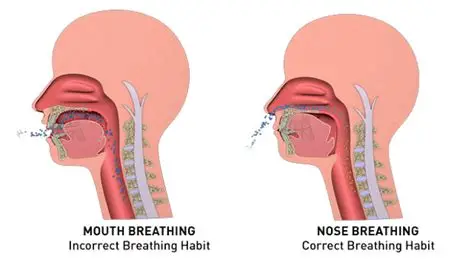
👃 25. Nose Breathing
Breathing through the nose:
- Lowers cortisol
- Raises nitric oxide
- Improves sleep quality
- Supports overall endocrine balance
Try: mouth taping during sleep, slow nasal breathing during workouts and meditation.
📋 26. HGH Optimization Protocol (Sample)
Here’s a daily routine combining all the most effective HGH strategies:
Morning
- Wake up with natural light
- Cold shower or splash face with cold water
- Fast for 3–6 hours
- Drink water with electrolytes
Midday
- Train (HIIT or weights) fasted or semi-fasted
- After training: high-protein meal, add carbs if bulking
- Stay hydrated
- Avoid snacking
Evening
- Eat last meal 3–4 hours before bed
- Add glycine, magnesium, or GABA if needed
- No screens 1 hour before sleep
- Sleep by 10:30–11:00 PM
Repeat consistently for optimal hormonal effect.
⚠️ 27. Common Mistakes That Kill HGH
- Eating late at night (especially sugar or carbs)
- Sleeping too late or poorly
- Overtraining without recovery
- Eating too frequently (kills fasting windows)
- Ignoring micronutrients (magnesium, zinc, B vitamins)
- Neglecting dopamine and mental health
💡 28. Bonus Tips
- Sunlight = dopamine boost → more GHRH
- Massage or stretching → enhances recovery and sleep
- Laughter and social bonding → lowers cortisol, raises oxytocin
- Use a sleep tracker to optimize deep sleep duration
🧠 29. HGH vs. IGF-1
HGH is released by the pituitary gland. It triggers the liver to release IGF-1, which handles:
- Cell growth
- Muscle and bone development
- Skin and joint repair
Both HGH and IGF-1 can be improved naturally, but balance is key. Too much IGF-1 (especially via synthetic HGH) is linked to acromegaly and cancer risk.
🧬 30. Final Thoughts
Boosting HGH doesn’t require drugs, just consistency, sleep, and smart habits.
The secret is combining:
- Strategic fasting
- Deep sleep
- Intense training (in bursts)
- Mental health and dopamine balance
- Hormone-friendly nutrition
HGH is not just for bodybuilders, it’s for healing, youth, vitality, and longevity.
🔚 The End, Now It's Your Turn
Use this guide as a reference. Pick 3–5 key habits to implement first.
Track your energy, sleep, recovery, and physical changes.
Your body will thank you.