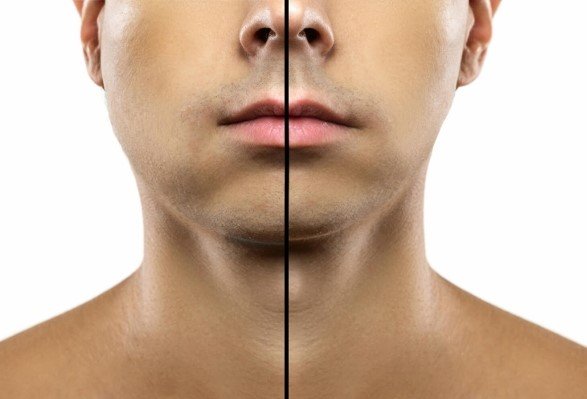
Facial puffiness is usually caused by fluid retention and low-grade inflammation. When you sleep or after a high-salt meal, fluids can pool in facial tissues, making the face look swollen or round. Eating sodium-heavy foods makes the body hold onto extra water, which then collects in areas like the cheeks and under the eyes. Alcohol, dehydration, or hormonal factors also trigger the body to retain water. Meanwhile, chronic inflammation (from poor diet or obesity) can increase capillary leakage and fluid buildup. To counter this, combine short-term fixes for immediate de-puffing with long-term habits to prevent swelling.
Quick Tips to Reduce Facial Puffiness (Short-Term)
1. Hydrate First Thing 💧
Drinking a glass of water when you wake helps flush out excess salt and supports circulation. Some fluid retention actually comes from mild overnight dehydration, so topping up fluids (even with herbal tea or green tea) can reduce swelling.
2. Cold Compress or Facial Massage ❄
Applying cold (ice pack or cold spoon) to the face constricts blood vessels and reduces fluid accumulation.
Facial massage steps (you could also get a gua sha to avoid getting pimples but it's not necesarry):
- Under eyes: glide gently towards the temples.
- Cheeks and jaw: massage towards the ears and then down to the neck.
- Neck: always massage downwards to promote lymphatic drainage.
3. Limit Evening Salt and Alcohol 🥗🍷
Avoid high-sodium meals at night (processed snacks, salty takeout) because salt binds water in your tissues. Skip heavy drinking – alcohol makes you urinate (losing fluid) and then rebounds with water retention. Instead, eat unprocessed whole foods or fruits.
4. During Sleep 🛌
Sleeping on your back and raising your head on an extra pillow prevents fluid from pooling in your face overnight.
5. Morning Exercise 🏃♀️
Getting your blood pumping (walk, jog, or face exercises) improves circulation and helps disperse retained fluid.
6. Caffeinated Tea or Coffee ☕
Caffeine is a mild diuretic. Green or black tea in the morning promotes urination and flushes out extra water. Green tea also delivers antioxidants (EGCG) that slightly boost metabolism and reduce inflammation.
Causes of Morning Puffiness
-
High-salt dinner 🥘
Leads to water retention in facial tissues. -
Low fluid intake the previous day 💧
Causes dehydration and triggers fluid retention. -
Sleeping poorly or face down 🛌
Reduces facial circulation and promotes swelling. -
Alcohol or tobacco 🍷🚬
Increases inflammation and water retention. -
Stress 😰
Can cause hormonal imbalances and fluid buildup.
Long-Term Lifestyle and Dietary Changes
1. Cut Down on Salt 🧂
Keep daily sodium moderate (~2,300 mg) by cooking with minimal salt and avoiding packaged/fast foods. Use herbs, spices, and citrus for flavor.
2. Eat Potassium-Rich Foods 🍌🥑
Bananas, avocados, leafy greens, tomatoes, and sweet potatoes help balance fluids by increasing urine output.
3. Stay Well-Hydrated 💧
Maintaining 2–3 liters of water a day supports kidney function and prevents defensive water retention.
4. Anti-Inflammatory Diet 🥗
Reduce refined carbs, sugary drinks, and processed meats. Focus on fatty fish, nuts, berries, leafy greens, and colorful vegetables.
5. Regular Exercise and Weight Control 🏋️♂️
Exercise improves circulation and lymph flow, reducing excess fluid in tissues.
6. Habits to Prevent Puffiness
- Sleep on your back with head slightly elevated.
- Daily brief facial massage.
- Ice your face first thing in the morning
Foods to Avoid or Limit
Excess Sodium & Processed Foods:
- Chips, canned foods (tuna, vegetables, soups instant) 🥫
- Processed meats (ham, bacon, sausages)
- Salty cheeses
- Packaged sauces (soy, ketchup, mayonnaise)
- Industrial bread
- Bouillon cubes or instant soups
Ultraprocessed Foods:
- Cookies, packaged snacks, frozen meals, cereals, pastries.
- Consume only occasionally, always with water.
Excess Sugar:
- Soft drinks, packaged juices, candies, industrial chocolates, sweetened yogurt, desserts.
Alcohol:
- Beer, wine, spirits, alcoholic energy drinks.
Excessive Caffeine (without water):
- More than 3 cups strong coffee, black or red tea, energy drinks.
Red Meat & Saturated Fats:
- Bacon, ribs, fatty ground beef, fast food.
Supplements and Herbal Aids
Green Tea
Rich in EGCG, green tea lowers inflammatory markers and provides a mild diuretic effect. Aim for 2–3 cups of unsweetened green tea per day.
Yerba Mate
Contains caffeine, theobromine, and antioxidants. Known as a natural diuretic and stimulant, mate can modestly support fat loss and lower inflammation. One to two cups daily is a safe range.
Herbal Diuretics
Teas like dandelion, parsley, or hibiscus have traditional diuretic uses and may help flush extra fluid. Use moderately and check for interactions if you take medication.
Cosmetic Aids
- Eye creams with caffeine ☕ (reduce puffiness)
- Cold gel masks ❄
- Lymphatic drainage creams with peptides or vitamin C ✨
Putting It All Together
- Stay hydrated with water and herbal teas.
- Reduce salt and pair salty meals with potassium-rich fruits/vegetables.
- Eat an anti-inflammatory diet.
- Use short-term fixes (cold compress, massage, caffeine).
- Stick to sleep and exercise routines for long-term facial definition.
By combining immediate tricks with sustainable habits, you’ll notice a sharper, less puffy face over time.